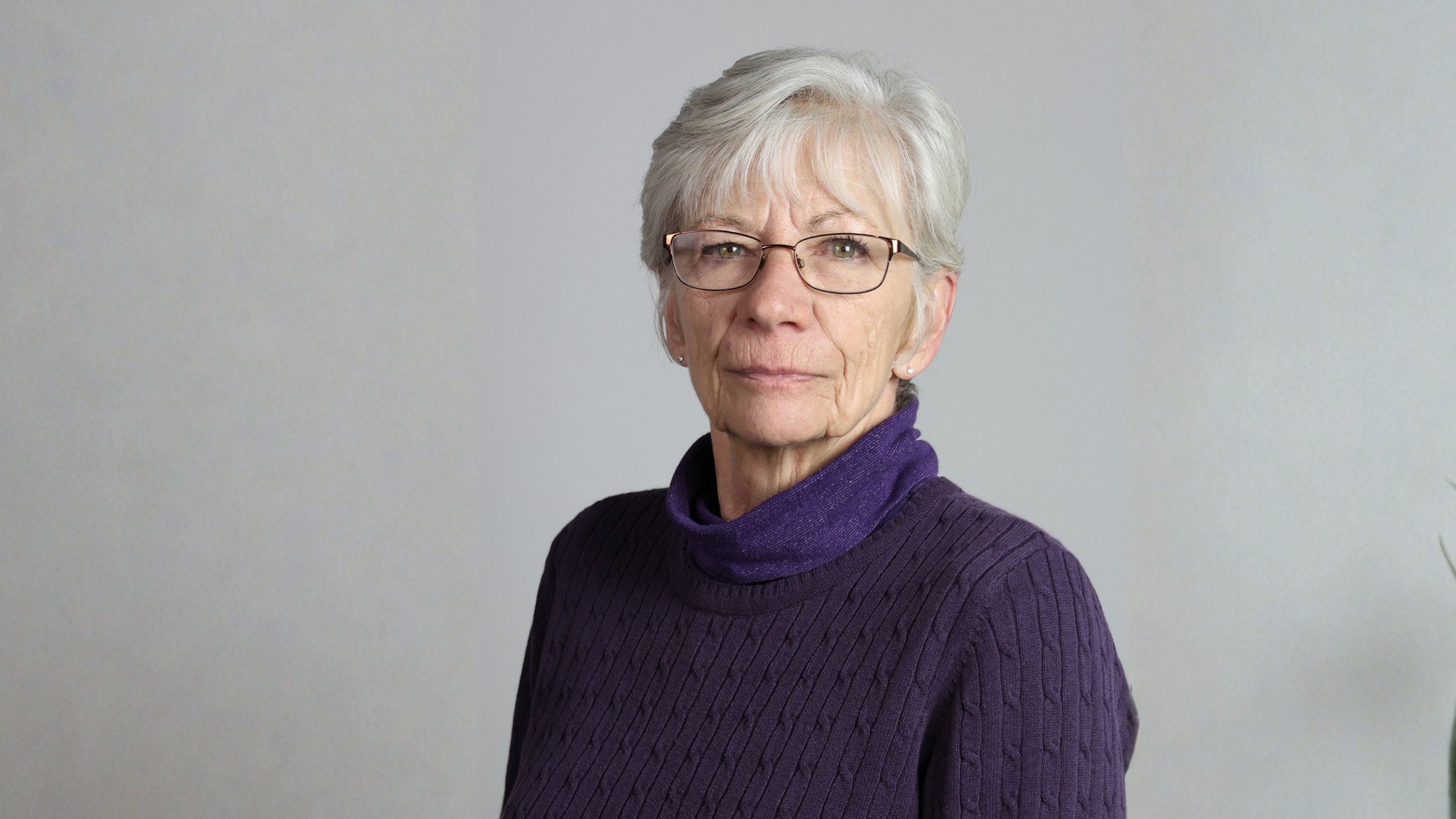
Lael didn’t set out to build a decades-long career at Guild, but like many of our tenured staff, what started as a job opportunity quickly became something much deeper. What she found was a place where her role could grow into something meaningful and lasting.
After her previous job of 12 years unexpectedly ended, Lael was simply looking for a new position. One at Guild caught her eye. It was located close to home. It was practical. “I saw the ad and thought, that’s something I think I would love,” Lael said.
Lael started in a part-time position, but when she needed something more stable, Guild worked with her to create a full-time role — one that combined multiple responsibilities into what she now does as a Household Coordinator at Guild’s Dakota County Intensive Residential Treatment Services (IRTS) program. “They kind of put all these jobs together and created mine.”
Thirty-three years later, Lael’s role sits at the heart of the daily experience for our IRTS residents. She plans meals, shops for ingredients, prepares food, and helps manage day-to-day operations. While her work may not always look like traditional clinical care, it plays a critical role in creating a stable and supportive environment — something that can make all the difference for individuals in recovery.
At the center of what Lael does for our clients is something simple but powerful: a home-cooked meal. “I always tell people my meals are like what you’d have on a farm,” she said. “They’re not fancy, but they’re home-cooked.” For some residents, that experience is new. Some are used to fast food or prepackaged meals, while others may not have enjoyed regular home-cooked meals before.
Lael sees these everyday moments as opportunities for growth and connection. For example, she recalls introducing a resident to a vegetable they had never tried before. “He said, ‘I don’t think I’ve ever had squash,’” she shared. “I told him, just try it. And he did, and he loved it.” Moments like these may seem small, but they reflect something larger: creating comfort, encouraging curiosity, and helping people build new, positive experiences.
Over the years, those moments have added up to a deep sense of impact. Sometimes it’s a resident asking for a favorite meal before they leave the program. Sometimes it’s a thank-you note or a request for a recipe to take with them. “Something as simple as a fruit salad made his day,” Lael said of one resident. “And that was touching.”
Lael’s approach to her work is grounded in authenticity. She doesn’t see herself as separate from the people she serves; she sees herself as part of the environment that helps them feel at ease. “I’m just the average Joe,” she said. “I’m making food, goofing off, having fun.” That relatability helps create connections in a setting that can otherwise feel overwhelming. For residents navigating significant transitions, these informal, human interactions can help ease stress and build trust.
Throughout her 33 years, Lael has seen Guild evolve in many ways, but one thing has remained steady. “Their mission to help people with severe and persistent mental illness … that has never changed,” she said. Programs and approaches may shift, but that core purpose continues to guide the work. She also believes that long-term staff play an important role in that continuity. Having been part of Guild for decades, Lael brings perspective and consistency that benefits both coworkers and residents. “We can reflect back and see what worked then, what works now,” she said.
When asked what keeps her going after all these years, Lael’s answer stays rooted in the day-to-day reality of her work: It’s about showing up, doing her job well, and making sure the people she serves feel cared for. “I just have to do my best every day to keep my peeps fed and happy.”
It’s a simple statement, but within it is the essence of her impact. Because at Guild, care isn’t always found in big moments. Sometimes, it’s found in a warm meal, a familiar face, and the quiet consistency of someone who has been there all along.