Our Blog
Below the Waterline: A Mother’s Story of Love, Loss, and the Lifeline That Was Guild
August 18, 2025
When Anne talks about her daughter Lynne, she speaks with a clarity that only comes from years of walking alongside someone through the complexities of mental illness. Her voice is steady, reflective, and full of love. She doesn’t shy away from the hard parts — she names them. And in doing so, Anne offers something rare: a glimpse of what she calls “beneath the waterline,” where the real story lives.
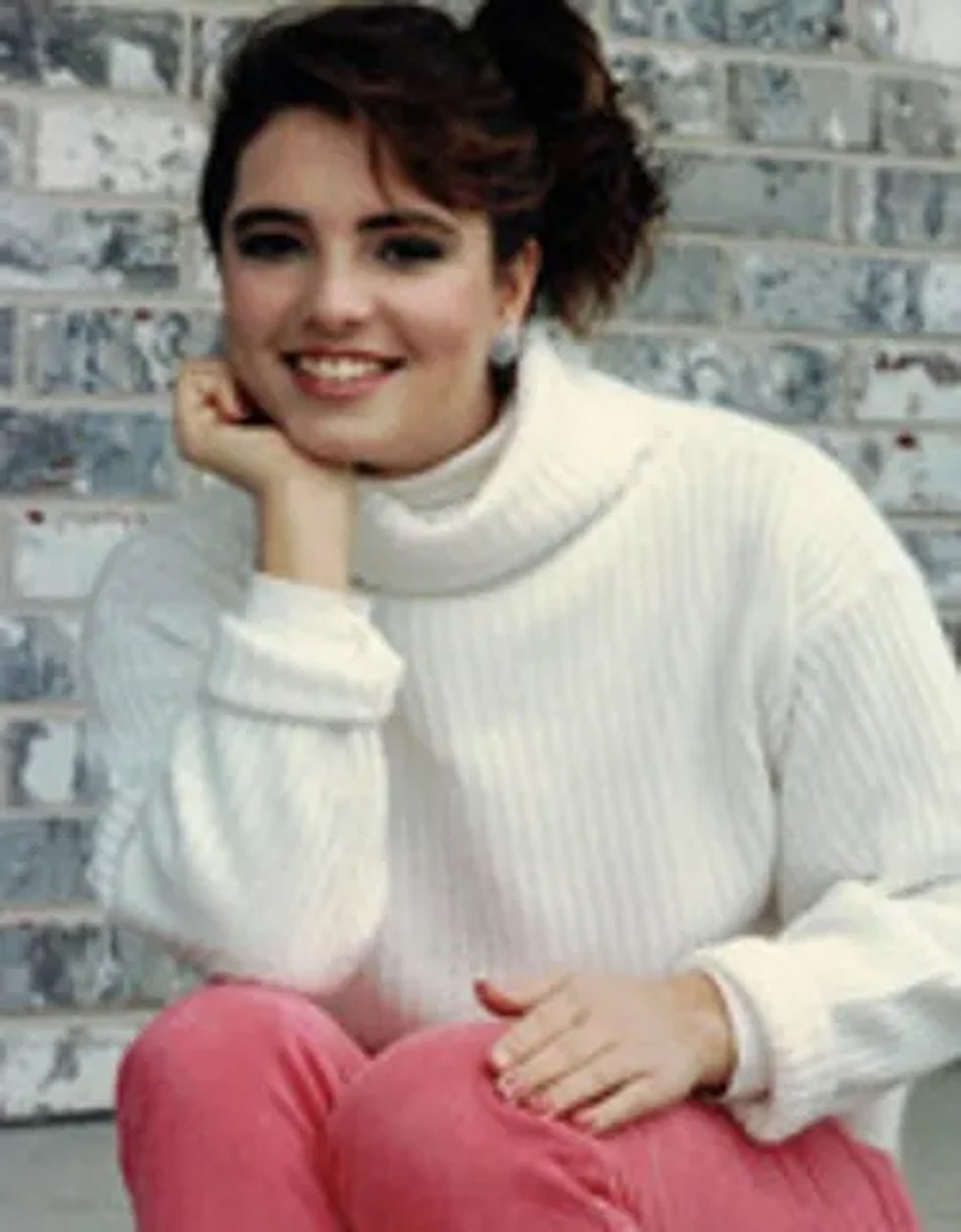
Photo of Lynne curtosey of Anne.
Lynne was a bright, deeply thoughtful woman who lived with serious mental illness and trauma. She was also highly functional, which made her illness harder to recognize and support. “She could think and do things that seemed normal, until the thought disorder or trauma kicked in,” Anne said.
Anne and her family moved from San Diego to Minnesota in the mid-1990s after searching for a more family-centered approach to care. “We were in a setting where there was just little dialogue around what was happening,” she said. “Minnesota felt more family-friendly.”
It was during a hospital stay at Regions that Anne first encountered Guild. “I remember thinking, ‘Oh my goodness, there’s somebody. There’s a program. And it’s clearly staffed by people who know what they’re doing.’”
That moment marked the beginning of a long, evolving relationship between Guild, Lynne, and her family. Anne describes the journey in three stages: the chaos before Guild, the cautious trust as Guild stepped in, and the eventual stability that allowed Lynne to live independently. “Letting go was hard,” Anne admitted. “But Guild made it easier. They didn’t just take over. They partnered with us.” What made the difference, Anne said, was that the Guild team saw Lynne for who she truly was—not just her diagnosis or illness, but as a whole person.
One of the most pivotal moments came when a Guild psychiatrist listened — really listened — to Lynne. “She told him what worked and what didn’t, and he validated her. From that moment on, she began to trust the program. That was the turning point.”
Lynne moved into a Guild-supported home and later into a townhome with her family’s help. She lived independently for more than a decade, managing her own care and making her own decisions.
“Guild was always there,” Anne said. “Even when we weren’t actively using their services, they were part of our lives. That’s what I mean by ‘below the waterline.’”
When a change in medication in May 2025 triggered Lynne’s symptoms, causing her to struggle again, Anne reached back out to Guild. “I thought I might have a contentious conversation with Lynne about going back, but before my eyes she said, ‘Yes, let’s do it.’ She remembered how she was treated: with dignity, with care. And she wanted that again,” Anne said.
Unfortunately, just days later, Lynne passed away unexpectedly from natural causes. It was Mother’s Day. Her daughter’s final weekend was filled with small, sacred moments: a request to take out the trash (something she’d never asked before), a shared prayer, and a heart-shaped necklace that arrived in the mail just in time.
“She loved angels,” Anne said. “Her scripture was, ‘For he will command his angels to guard you in all your ways.’ I believe she went to bed, and the angels took her … she was tired, and she fell asleep.”
On the morning of Lynne’s passing, Anne saw a cardinal — a symbol of spiritual presence for many. “I saw a mother cardinal, and then the bright red male appeared. I went to grab my camera, but before I could, I saw the cardinal soar through the air,” she recalled. “Later that day, I wondered: Was that the moment?”
When asked what stood out most about Guild’s care throughout Lynne’s time with our organization, Anne didn’t hesitate. “It’s simple: They paid attention. They responded. They never made us feel disregarded. They gave us direction, and they genuinely wanted to help Lynne have a better quality of life, even if they didn’t know exactly what that would look like.”
Anne also praised the way Guild staff communicated. “They didn’t tell Lynne what to do. They asked, ‘What do you think about this? Will you consider?’ That’s huge, especially for someone who doesn’t want to be told what to do. It’s huge for any of us, really.”
Anne knows that not everyone sees what she sees—not because they aren’t looking, but because so much of what Guild does happens quietly, behind the scenes. “A lot of what I’m speaking about is below the surface,” she said. “It’s not surface-y stuff. It’s deeper than that. And that’s where Guild lives.” For Anne, being a mother and a witness to her daughter’s journey gave her a unique perspective on the care, compassion, and persistence that often go unseen but will always be felt.