Our Blog
A Path to Stability: Intensive Residential Treatment Services (IRTS) at Guild
August 10, 2026
When navigating a mental health crisis or ongoing mental health challenge, having access to the right level of care can make all the difference.
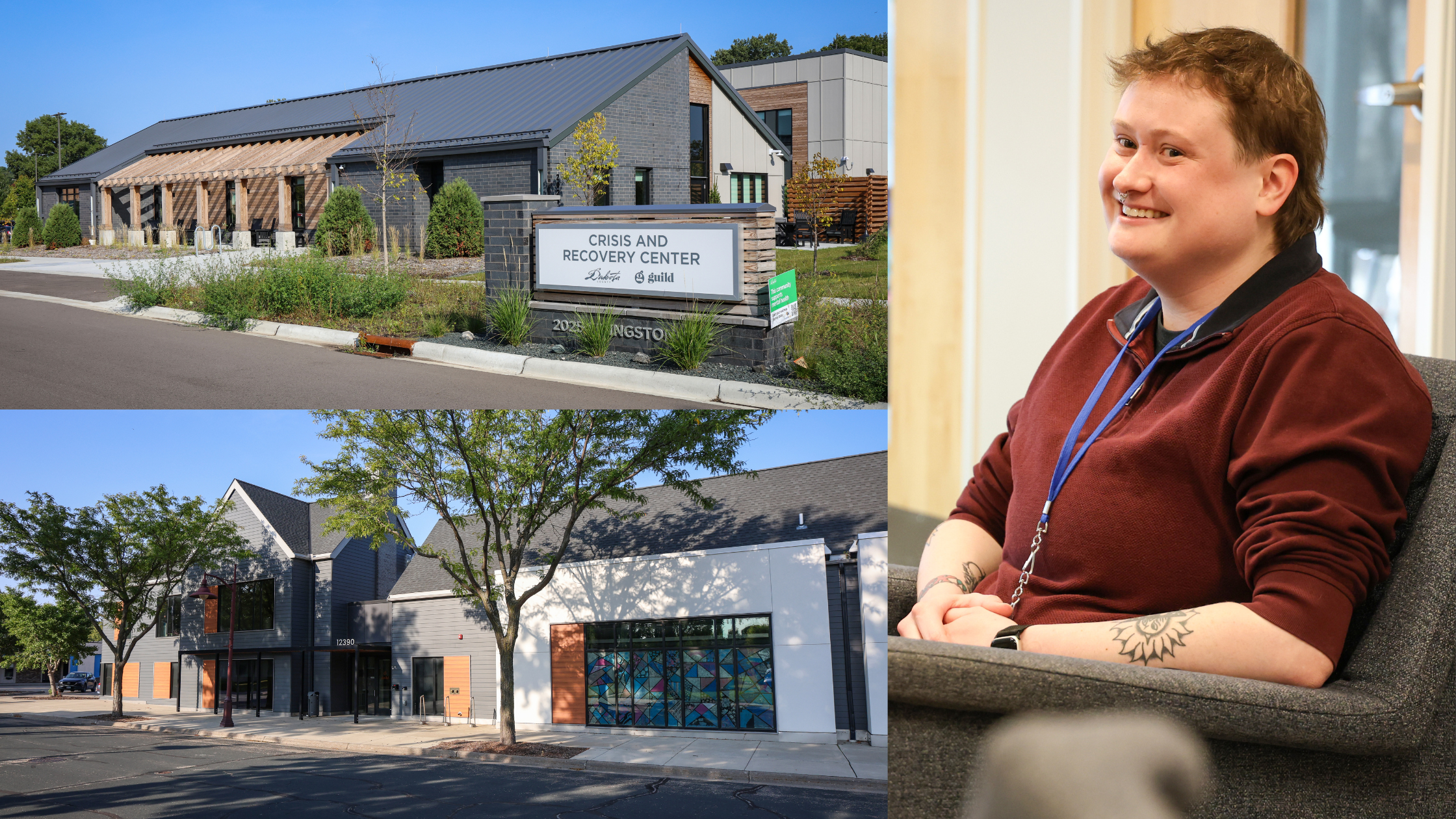
At Guild Crisis & Recovery Centers in Dakota and Scott County, our programs are designed to support and empower individuals at any point in their recovery journey, including our Intensive Residential Treatment Services (IRTS).
From Crisis to Recovery
Mental health care often begins with crisis stabilization: short-term support for individuals experiencing acute mental health symptoms. “When a person comes who’s in crisis, the goal is to stabilize the immediate symptoms and then connect them to their community support,” says Sarah Kot, program manager at Guild. This phase is focused on immediate safety and stabilization. From there, many individuals are ready to take the next step, building the skills and support needed for long-term recovery through IRTS.
What Is IRTS?
Guild offers Intensive Residential Treatment Services (IRTS) for adults in Dakota and Scott Counties. These programs provide up to 90 days of structured, 24/7 care focused on helping individuals achieve psychiatric stability, emotional regulation, self-sufficiency, and the skills needed to transition to a more independent setting. Services are delivered by qualified mental health staff onsite at all hours a day. The program is time-limited, with a clear discharge timeline and individualized goals, all within a therapeutic environment designed to reduce the need for hospitalization.
At its core, IRTS is about rehabilitation and empowerment. “It’s a rehabilitation-focused program that helps people build skills and really help them find or rediscover their strengths,” Sarah says.
Participants engage in structured programming that can include:
- Coping skills and emotional regulation
- Mental health education
- Independent living skills
- Medication management
- Peer support and group therapy
“It’s person-centered, and we work alongside the person in helping to empower them to participate in their own recovery,” Sarah adds.
A Foundation of Safety and Hope
A defining feature of Guild’s IRTS program is its trauma-informed approach, which begins with creating a true sense of safety. “Safety is more than just a roof over someone’s head. It’s creating an environment where individuals feel respected, supported, empowered, and validated,” Sarah explains. This environment allows individuals to begin the deeper work of healing and even rediscovering hope. “We are here to be like, ‘It’s okay to hope again …’ until you get to a point where you can stand on your own two feet again,” she says.
Healing Through Relationships
IRTS doesn’t just focus on individual treatment. It emphasizes connection.
“I really believe that people heal in relationships,” Sarah shares. Such relationships include peers, staff, family members and community providers. Together, they form a wraparound network of support that extends beyond a person’s time in the program. “They need to have their anchor in the community … so they don’t feel like they’re in it all alone.”
Preparing for What Comes Next
From day one, the IRTS team begins planning what life will look like after discharge. That includes building connections to:
- Case management services
- Therapy and psychiatric care
- Housing resources
- Community-based supports
- Primary Care
Navigating these systems can be overwhelming, especially while managing mental health challenges. “This system is really hard to navigate, and you put that added burden onto somebody who’s already collapsing under the weight,” Sarah says. That’s why the program prioritizes setting individuals up for success before they leave, helping them maintain stability and continue progress in the community.
What Makes Guild’s IRTS Program Different?
For Sarah, the difference comes down to culture and philosophy. “It’s not just, ‘Here’s the programming.’ It’s a philosophy of how we interact with one another from the ground up,” she says. That philosophy shapes every interaction, creating an environment where individuals feel deeply cared for, supported and empowered to make meaningful changes in their lives.
How to Access IRTS Services
IRTS services are typically accessed through referrals from professionals in the behavioral health or medical field. This may include:
- Medical providers
- Social workers or case managers
- Therapists or psychiatrists
- Substance use or recovery program staff
- Other mental health professionals
In some cases, individuals may enter through crisis stabilization and transition into IRTS if it’s determined to be the appropriate next step. To begin the IRTS referral process, fill out this form.